
Quantum Computing

From bits to qubits, computation is being reimagined.
This article explores how quantum mechanics reshapes problem-solving, why quantum computers matter for cryptography, optimization, and molecular simulation, and the technological and ethical challenges that come with this revolution.

Agentic AI

Welcome to the era of Agentic AI, where intelligent systems don’t wait for instructions but actively plan, decide, and execute goals. Discover how AI is evolving from a passive tool into a true digital teammate — and why this shift will redefine how we work, travel, and live.

Cloud Computing

THE BEGINNING: FOUNDATIONS OF CLOUD COMPUTING
Cloud computing has its roots in the concept of "resource sharing" in computing. One of the first models of cloud computing was the remote access of centralized computers, where the idea of "computing as a service" was conceived.
The internet and the concept of virtualization made this vision a reality. With the advent of virtualization, multiple virtual environments can run on a single machine, which translates to optimum utilization of the hardware. With the advent of faster international connectivity, the ability to use computing power offsite arose, thus laying the cornerstone of cloud computing.
THE CORE: WHAT IS CLOUD COMPUTING?
Cloud computing is the use of computing services like servers, storage, databases, networking, and software on the internet, popularly referred to as “the cloud.” Users do not need to own the hardware because they can access the services whenever they need them.
One of the identifying features of cloud computing is on-demand self-service, allowing users to provision resources without assistance from the service provider. Another important feature of cloud computing is resource pooling, which involves using shared computing resources that are isolated from each other and secure.
The cloud system also has the ability to scale up or down in an instant as required, which is referred to as Rapid Elasticity. The other advantage of the cloud computing system is the pay-as-you-go pricing method utilized by the various cloud services. Cloud computing can be generally classified into three cloud service models:
Infrastructure as a Service (IaaS), for example, offers virtual servers, storage, and networks.
Platform as a Service (PaaS) provides development environments that can be utilized to develop applications.
Software as a Service (SaaS) provides fully featured applications that run from web browsers.
THE IMPACT: APPLICATIONS OF CLOUD COMPUTING
Cloud computing technology has become an essential component of many industries, such as business, healthcare, finance, and entertainment. A significant number of companies in the Fortune 500 list are using cloud technology.
For example, Netflix utilizes clouds to provide uninterrupted video streaming services to millions of customers around the world. Another example is Amazon, which utilizes cloud computing services to run its worldwide online market as well as provide AWS cloud services.
In the banking industry, entities such as JPMorgan Chase employ cloud-based solutions to secure data processing and combat fraud. In the retail industry, giants such as Walmart utilize cloud computing to aid in inventory, logistics, and customer insights in thousands of stores worldwide.
Although issues like data security and dependence on vendors exist, the field of cloud computing is continuing to change the way businesses develop, grow, and extend their online capabilities.
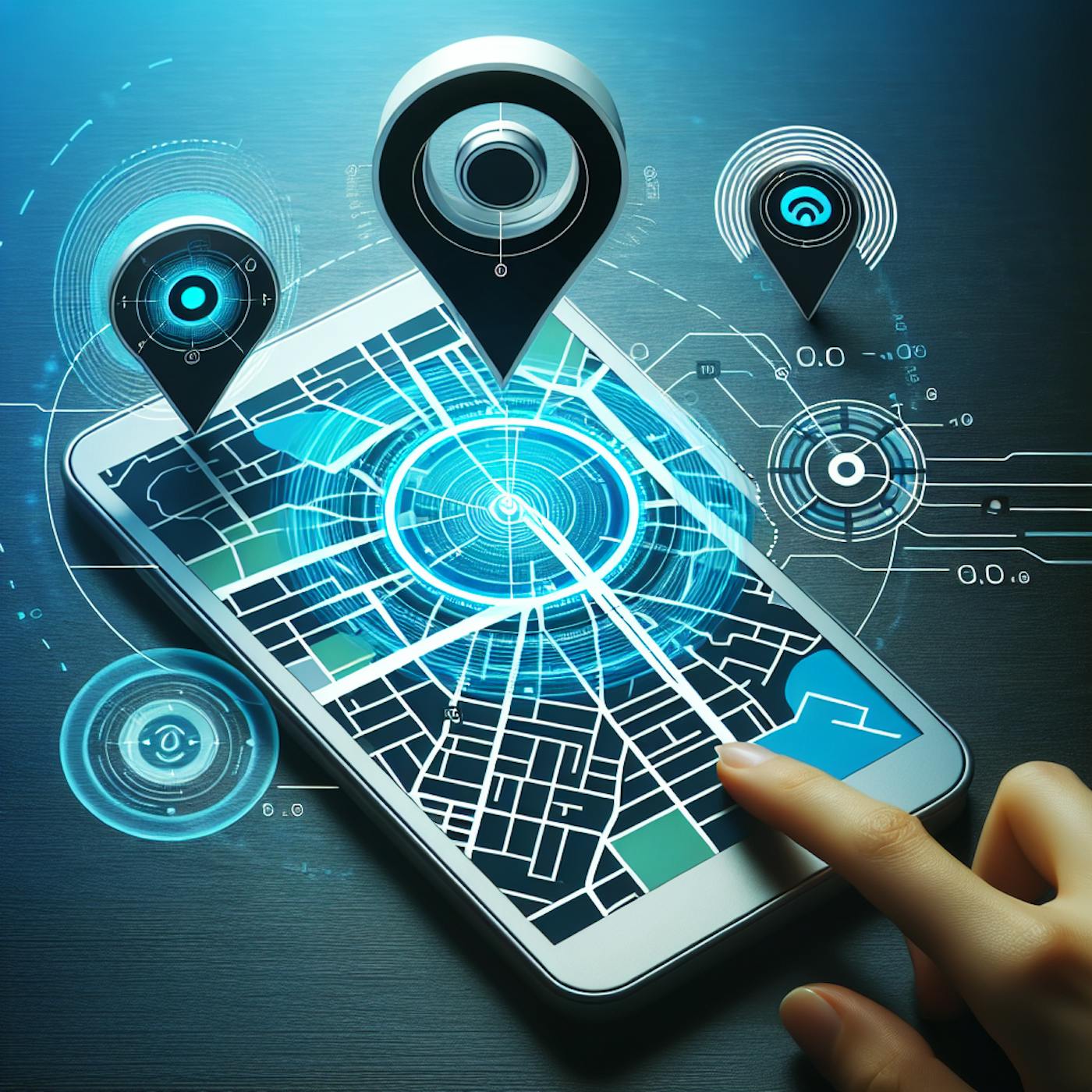
Introduction to AirTags : 1
You wake up, reach for your phone—and it’s gone. You’re traveling, and your wallet is missing. Panic sets in as you retrace your steps, but the more you think, the blurrier it gets. Could someone have taken it? Is it being misused right now?
You're not alone—millions of items go missing every day, from keys to luggage to entire shipments. While large-scale losses persist, advancements in technology have led to solutions that help prevent everyday mishaps.
Devices like AirTags ensure that misplacing your essentials doesn't lead to prolonged panic or loss.
In this part, we'll get to know about the core fundamentals used to develop this device. So let's dive into it!